
Rome Entry Tickets
Travelers purchase Rome entry tickets to secure access to historical sites and museums. The reservation framework coordinates entry times for archaeological zones and religious buildings. Available options include individual entry passes, guided tour packages, and combined cards for different itineraries.
🔥Best Sellers in Rome
Top Colosseum tickets
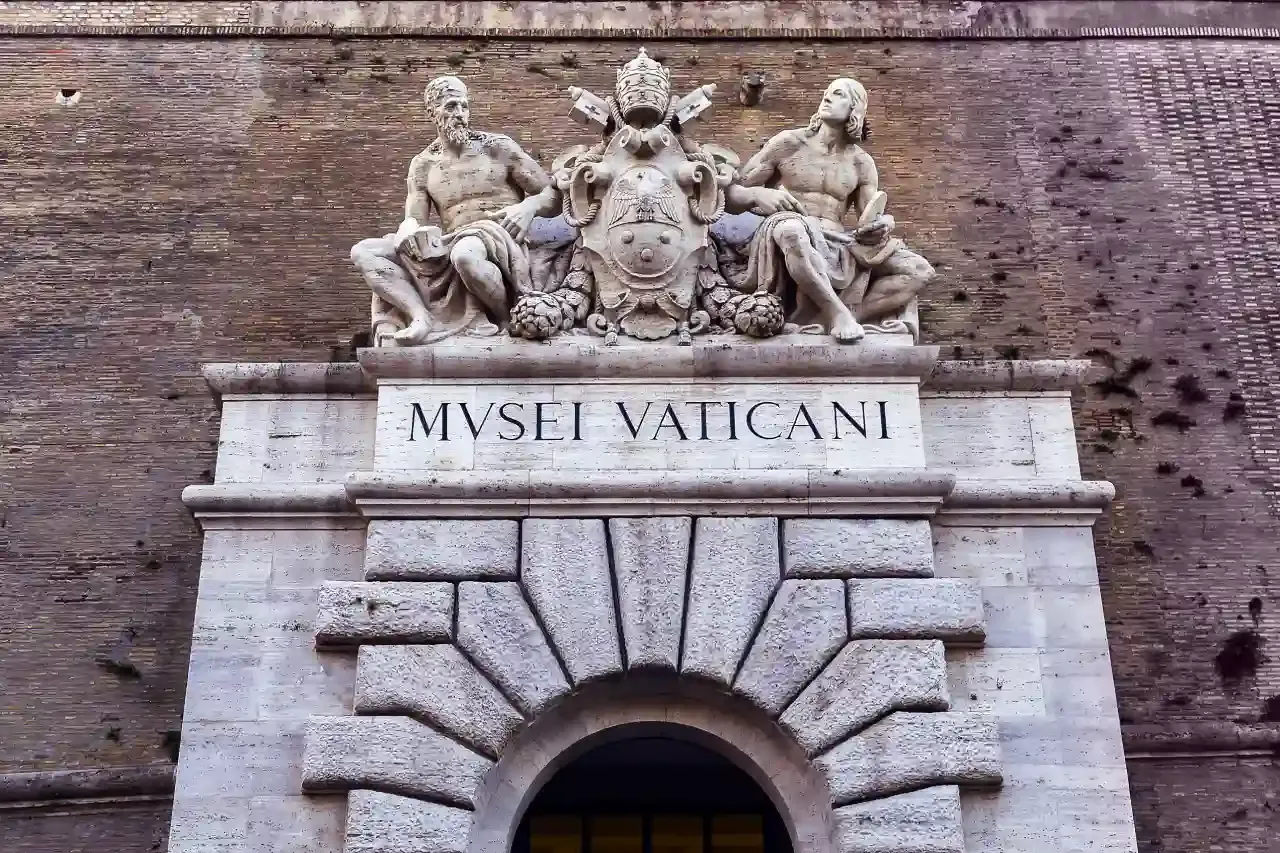
Vatican Museums tickets
St. Peter's Basilica tickets
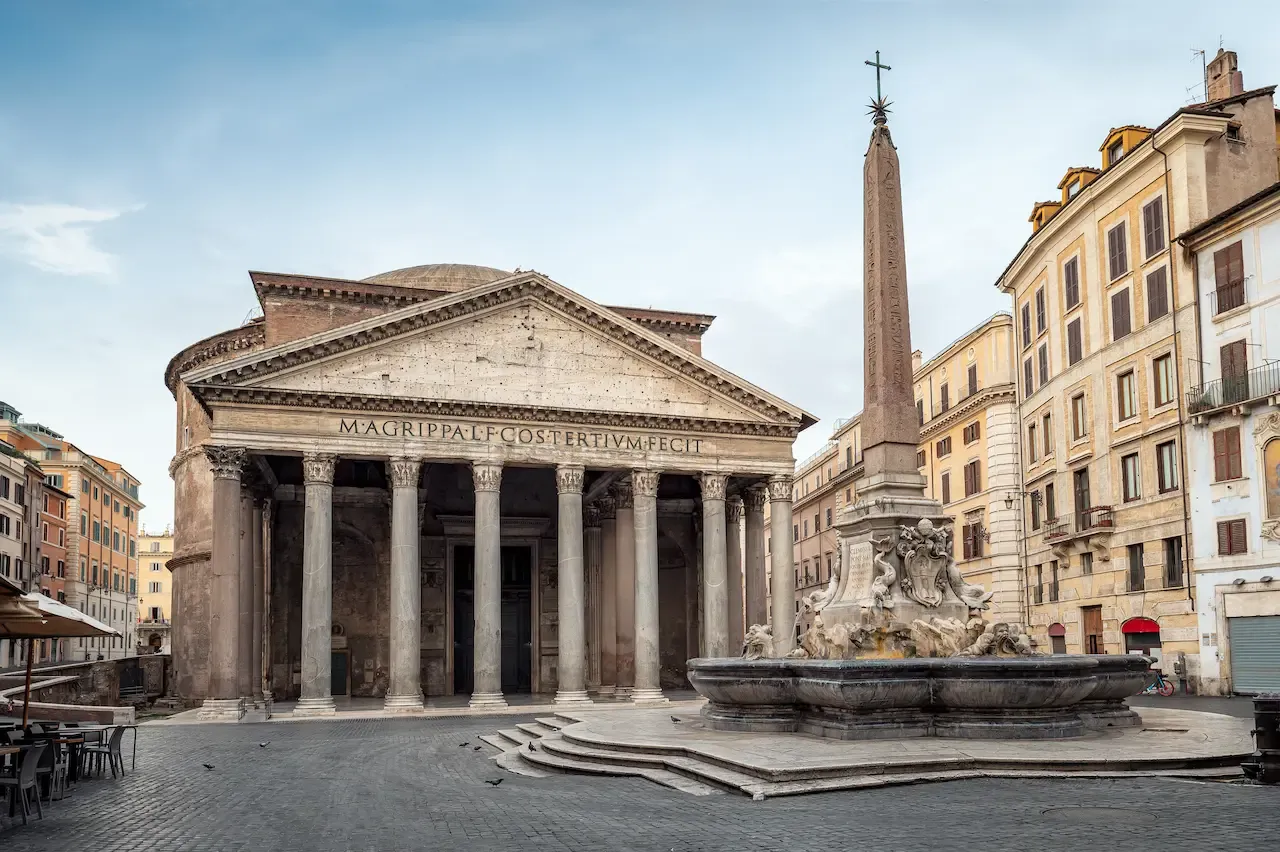
Pantheon tickets
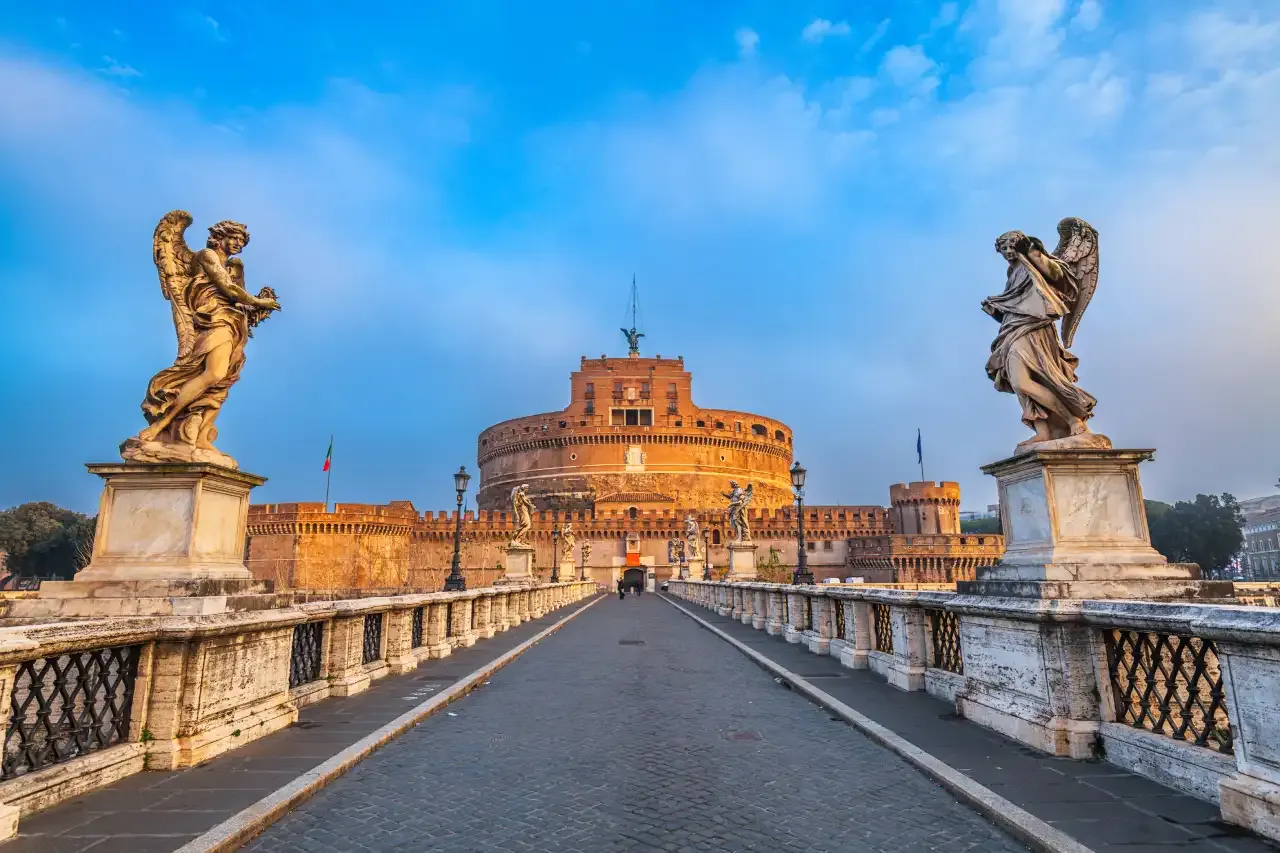
Castel Sant'Angelo tickets
City tours in Rome
Transfers & transportation in Rome
Discover all the experiences Rome has to offer
Must-sees in Rome
A clear itinerary simplifies visiting Rome's attractions, from the Colosseum to the Vatican Museums:
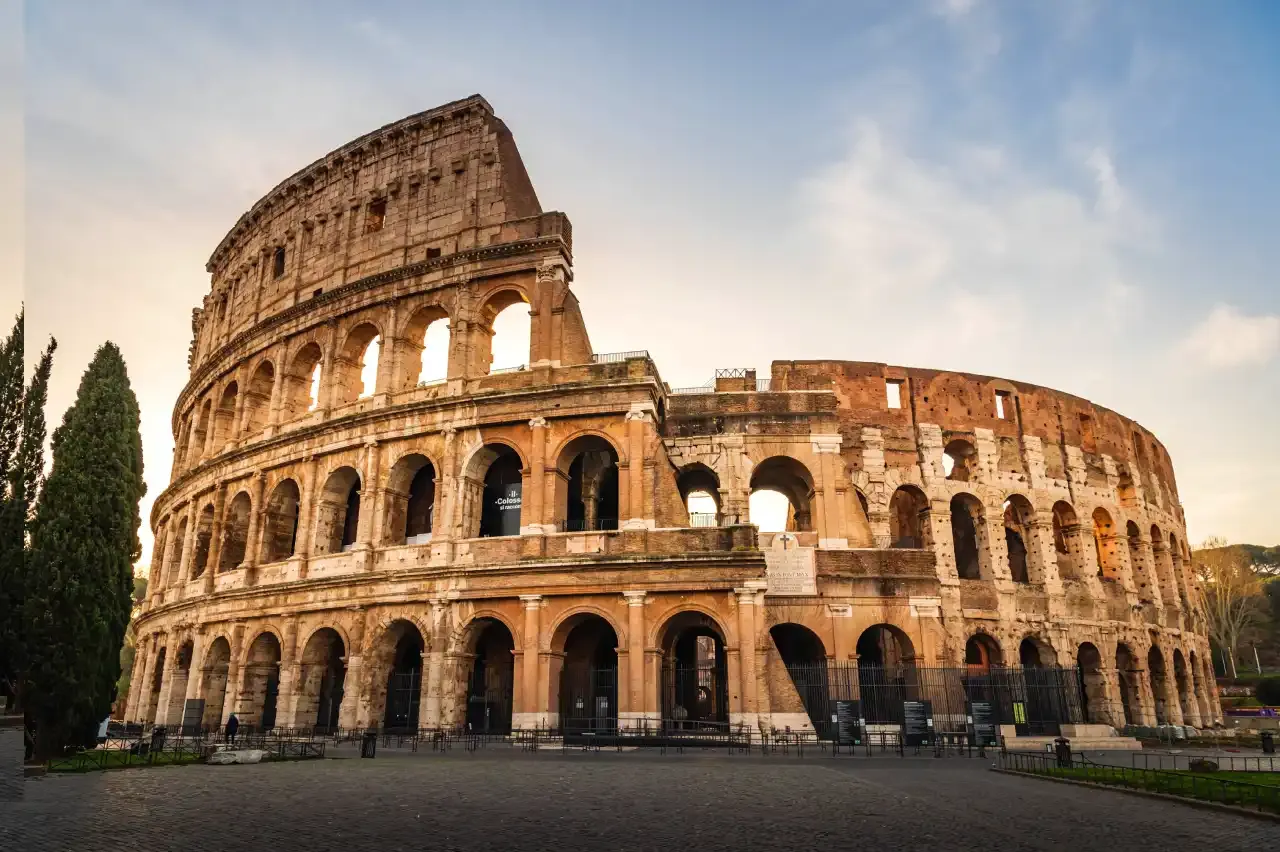
Colosseum
The Colosseum is the largest ancient amphitheater ever built, completed under the Flavian dynasty in eighty AD. The venue hosted gladiatorial combats, public spectacles, and theatrical dramas for centuries.
Visitors walk through the outer corridors and view the exposed underground chambers, known as the hypogeum. Guided tours are also available that allow visitors to access the arena floor. Security checkpoints require mandatory screening.

General information for visitors
Practical points that most affect a first visit:
- Security regulations: Visitors pass through metal detectors and screening lines at all archaeological zones. Security staff prohibit large backpacks, luggage, glass objects, and sharp items inside the monuments. The Vatican Museums operate a free cloakroom for bags, but the Colosseum offers no storage facilities.
- Dress code restrictions: Religious sites, including St. Peter's Basilica and the Pantheon, enforce strict dress guidelines. Attendants deny entry to individuals with exposed shoulders or knees. Visitors wear clothing that covers these areas during the entire visit.
- Identification protocols: Authorities at major historical monuments require visitors to present a physical passport or government-issued photo identification. Staff cross-reference identity documents with reservation data at the entrance gates to verify visitor names.
- Public transport navigation: The local transit network comprises metro lines, trams, and buses. Commuters validate transit passes at station gates or onboard machines immediately upon entry.
- Hydration and public fountains: Rome provides hundreds of public drinking fountains, known as nasoni, throughout the historic center. These fountains supply constant, drinkable running water. Visitors carry reusable containers to refill at these installations free of charge.
- Site accessibility: Ancient locations, such as the Roman Forum and Palatine Hill, feature uneven terrain, original cobblestones, and steep stairs. While major venues provide modern elevator access for wheelchairs, certain unpaved sections remain inaccessible to visitors with limited mobility.
- Photography guidelines: Monuments permit photography for personal use without flash. Security personnel prohibit tripods, selfie sticks, and professional drone equipment inside historical structures and museums to maintain crowd safety.
- Operating hours and seasonality: Archaeological parks and museums adjust their closing times according to daylight hours. Winter schedules see earlier closures compared to the extended operating hours of the summer season. Most sites close on Christmas Day and New Year's Day.
Rome Airport Transfers
Rome Airport Transfers provide transit links connecting Fiumicino Airport with central Rome and Termini Station. Travelers choose between direct rail services and shuttle buses depending on individual budget and time constraints.
The Leonardo Express train completes the route in 30 minutes, running frequent daily departures directly from inside the airport terminal. Alternatively, shuttle bus options, including the SIT Bus Transfer, offer economical transportation taking approximately 50 to 75 minutes based on traffic.
Both transfer methods accommodate luggage and ensure efficient journeys, allowing passengers to reach top attractions in Rome without paying expensive taxi fares.
News about Rome
News about Rome
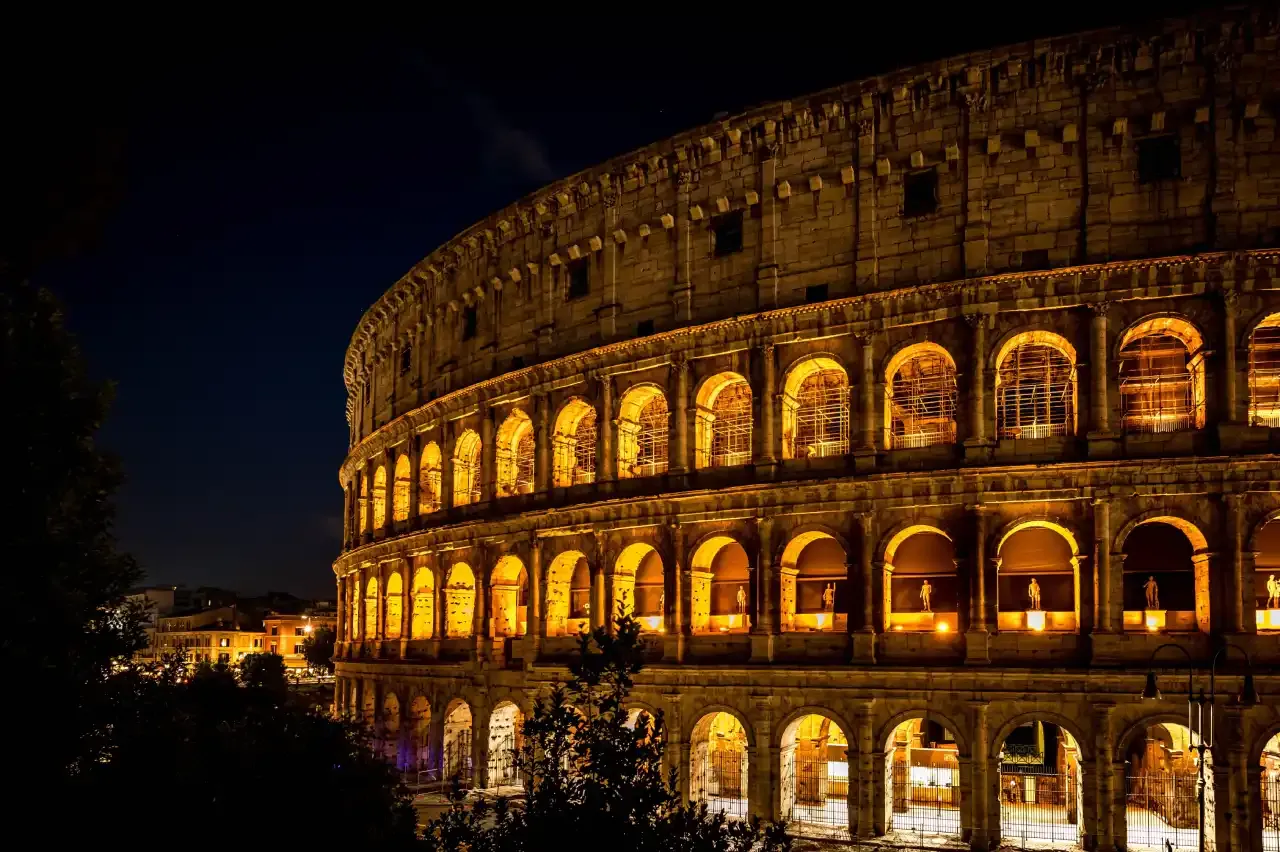
Italian authorities have introduced special evening openings for several top attractions in Rome to help tourists cope with the intense summer heatwave. As daytime temperatures soar across the capital, a joint initiative by the Ministry of Culture and the Ministry of Tourism allows visitors to explore iconic landmarks like the Colosseum and the Pantheon during the cooler night hours of August.
This pilot program aims to protect public health, improve crowd management, and provide a safer, more comfortable sightseeing environment. Because capacity for these evening access slots is strictly limited to prevent overcrowding, travelers are advised to secure their entry tickets in advance.